What is the ESRS G1 Business Conduct standard and why is it important?
The ESRS G1 standard focuses on governance and business conduct within the European Sustainability Reporting Standards (ESRS). It addresses crucial areas such as corruption, corporate culture, ethical practices, and relationships with suppliers. This standard is vital for ensuring transparency and accountability in how companies manage these aspects of their operations, particularly as stakeholders increasingly demand ethical and responsible business practices.
What are the key areas covered by the ESRS G1 standard?
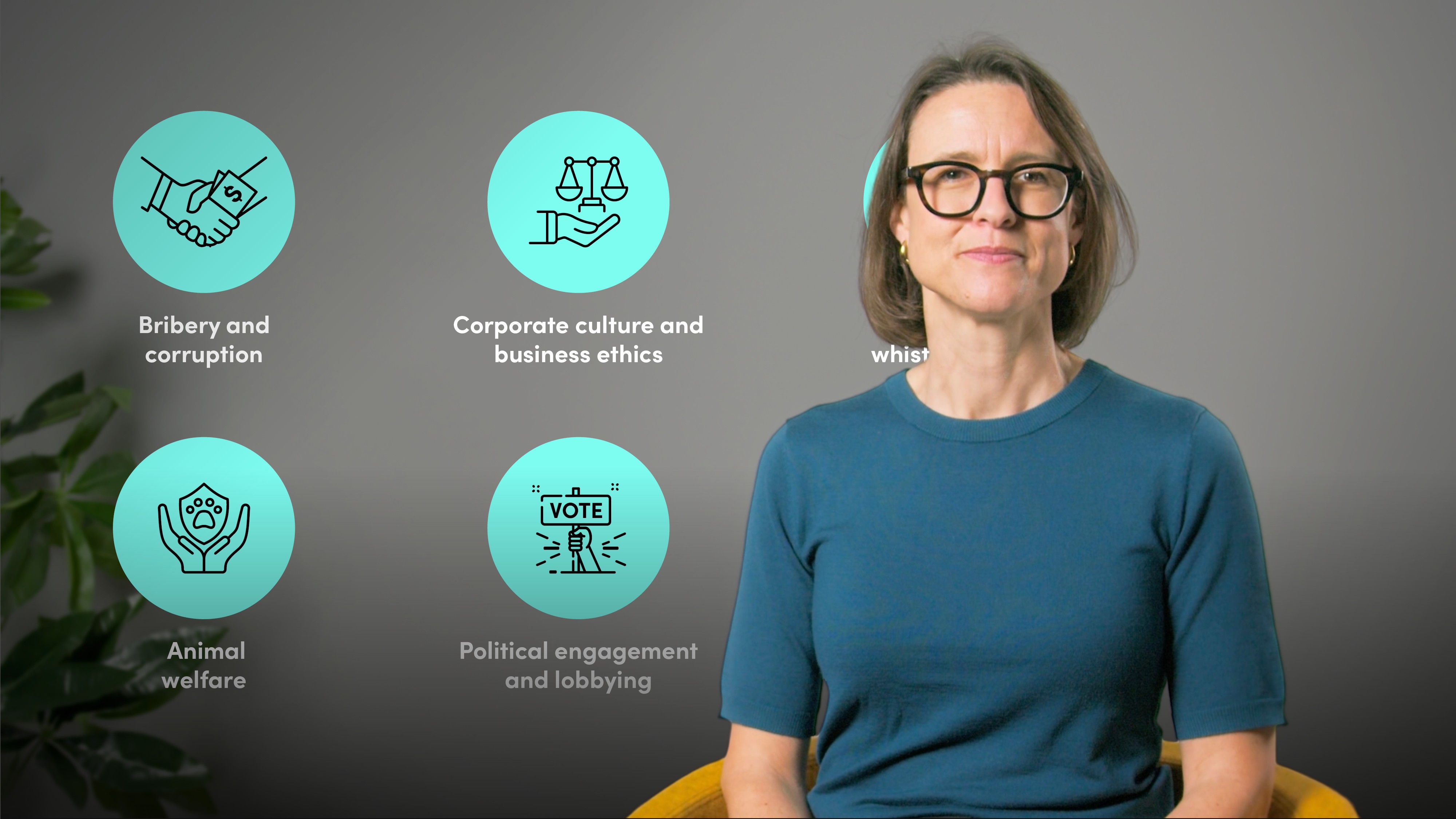
The standard covers a range of topics, including bribery and corruption, corporate culture and business ethics, protection of whistleblowers, animal welfare, political engagement and lobbying, and managing relationships with suppliers, with a particular emphasis on payment practices. This broad scope ensures that companies address various dimensions of business conduct and governance.
What are the disclosure requirements for bribery, corruption, and related issues?
The ESRS G1 standard requires companies to disclose the procedures in place to prevent, detect, and investigate bribery and corruption allegations. Companies must also disclose the number of convictions and fines for violations of anti-corruption and anti-bribery laws, as well as actions taken to address breaches in procedures and standards. There is a significant focus on training to spot increasingly sophisticated methods of corruption.
What does the standard require regarding corporate culture and business ethics? The standard mandates companies describe their strategies for developing corporate culture and business conduct policies, how these are implemented and tracked, and the processes in place to address any issues that arise. It emphasizes going beyond mission statements to document shared assumptions and group values that guide activities, often codified in a 'code of conduct.'
What are the standards for political engagement, lobbying activities, and supplier payment practices?
The standard distinguishes between political influence and lobbying, requiring companies to provide detailed information on their activities and commitments related to exerting political influence, including financial or in-kind contributions. Regarding suppliers, the focus is on fair payment practices, particularly preventing late payments to small and medium enterprises. Companies are required to disclose their policies and average payment times to suppliers, akin to existing regulations in some EU countries like Spain.