
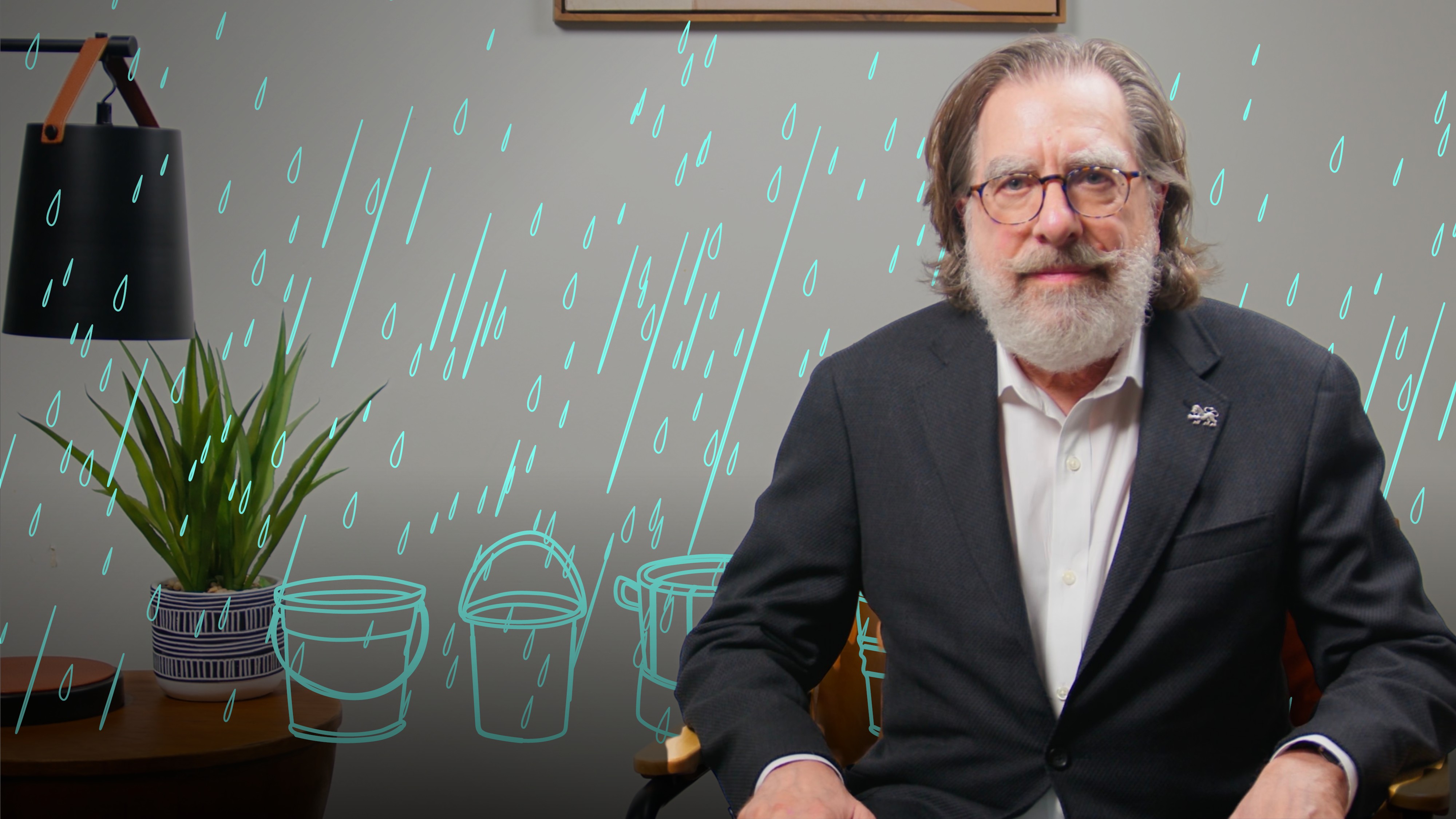
Exploring Alternative Water Sources

Will Sarni
Leader: Corporate water strategy
How do you clean water? Join Will Sarni and discover how innovative and practical water treatment technologies can help tackle water scarcity and make safe drinking water more accessible.

How do you clean water? Join Will Sarni and discover how innovative and practical water treatment technologies can help tackle water scarcity and make safe drinking water more accessible.
Exploring Alternative Water Sources
11 mins 17 secs
Key learning objectives:
Outline the difference between potable and non-potable water
Understand the types of filtration
Identify alternative sources of water
Overview:
Potable water is water that is safe for human consumption. Non-potable water is water that isn’t safe to drink without further treatment. This treatment includes multiple filtration steps. With growing pressure on traditional water sources like surface water and groundwater, alternative water solutions are becoming more important. These technologies aim to create safe water where conventional sources are unreliable or insufficient.
Summary
What’s the difference between potable and non-potable water?
Potable water is water that is safe for human consumption - what we drink, cook with, and use for hygiene. Because it directly affects public health, it’s regulated by strict standards to ensure it’s free from contaminants. Non-potable water is water that isn’t safe to drink without further treatment. It comes from sources like industrial, domestic, and agricultural activities and includes wastewater.
What are the different types of water filtration?
Water filtration can be done in several ways. Some key filtration types include: gravel and sand filters, membrane technologies, chemical treatment processes, ion exchange, biological treatment, advanced oxidation, ph adjustment and fluoridation
What are the alternative sources of water?
With growing pressure on traditional water sources like surface water and groundwater, alternative water solutions are becoming more important. These technologies aim to create safe water where conventional sources are unreliable or insufficient. Key alternative sources include: desalination and air moisture capture.
How are new technologies helping create alternative water sources?
Emerging technologies are offering creative ways to produce water with reduced environmental impact and energy use. These are especially valuable in remote areas or places with limited infrastructure. Some examples include air moisture capture systems, off-grid purification systems, photovoltaic thermal systems and modular rainwater management systems.

Will Sarni
Will Sarni, a hydrogeologist and author, has been working on water challenges for most of his career. He has focused on corporate sustainability and water strategy for the past two decades. Sarni is an optimist and believes we can solve wicked water problems. He lives in Colorado and the American West, which faces water scarcity challenges. The American West is a major agricultural region for the US, exporting crops. To have thriving cities and agriculture and manufacturing sectors in the region, we must solve water challenges.
Will has written several books on corporate water strategy, energy-water-food nexus, technology and policy innovation, and a children's book on water.
There are no available Videos from "Will Sarni"